Knee pain can affect almost every part of daily life. Walking to work, climbing stairs, getting out of bed, or enjoying an evening walk can become difficult when the knee is painful or stiff. For some people, the discomfort begins after an injury. For others, it develops gradually because of ageing, arthritis, excess strain, or changes in the knee joint.
Finding the right doctor is an important step towards understanding the problem and choosing suitable treatment. If you are searching for a knee specialist in guntur, it helps to look beyond a doctor’s name and consider their experience, approach to diagnosis, treatment options, and communication with patients.
This guide explains what a knee specialist does, when you should seek medical advice, and how to choose the right doctor for your needs in 2026–27.
Why Choosing the Right Knee Doctor Matters
The knee is a complex joint that connects the thigh bone to the shin bone. It also includes cartilage, ligaments, tendons, muscles, and other structures that help support movement and stability.
Pain in this area can have several causes. A sports injury may damage a ligament, while osteoarthritis can gradually wear down the protective cartilage. Some people experience pain because of inflammation, overuse, or problems involving the surrounding muscles and tendons.
A qualified orthopaedic doctor can assess these possibilities and recommend an appropriate course of action. The goal is not simply to reduce pain temporarily but to understand what is causing it and help the patient regain comfortable movement.
Choosing a specialist who listens carefully, explains the diagnosis, and discusses treatment options can make the experience less stressful.
What Does a Knee Specialist Do?
A knee specialist is a medical professional who evaluates and treats conditions affecting the knee joint. Depending on their training and area of practice, they may manage injuries, degenerative joint conditions, mobility problems, and cases requiring surgical treatment.
Common conditions treated by knee specialists include:
- Knee osteoarthritis: A condition involving changes and deterioration in the joint cartilage.
- Ligament injuries: Damage to structures such as the anterior cruciate ligament (ACL).
- Meniscus tears: Injuries affecting the cartilage that cushions the knee joint.
- Tendon problems: Conditions that cause pain around the kneecap or other parts of the knee.
- Kneecap disorders: Problems involving the position or movement of the patella.
- Sports-related injuries: Knee damage associated with running, jumping, twisting, or contact sports.
- Knee stiffness: Difficulty bending or straightening the joint.
- Post-injury complications: Persistent pain or reduced movement after an accident or previous injury.
Not every knee condition requires surgery. Depending on the diagnosis, treatment may involve medication, physiotherapy, activity modification, rehabilitation, or other non-surgical measures.
Common Signs That You Should Consult a Knee Specialist
Occasional discomfort after exercise does not always indicate a serious problem. However, persistent or recurring symptoms deserve attention, especially when they interfere with everyday activities.
Consider consulting an orthopaedic doctor if you experience:
- Knee pain that continues or repeatedly returns.
- Swelling around the joint.
- Difficulty climbing stairs or walking for normal distances.
- Stiffness after sitting or waking up.
- A feeling that the knee may give way.
- Clicking or locking accompanied by pain or restricted movement.
- Discomfort that limits work, exercise, or sleep.
- Pain that develops after a fall, accident, or sports injury.
Seek urgent medical assessment if you cannot bear weight after an injury, the knee looks deformed, or it becomes suddenly very swollen. A hot, red knee accompanied by fever also needs prompt evaluation because an infection is one possible cause.
Early assessment can help identify the problem and prevent unnecessary delays in treatment.
How to Choose the Right Knee Specialist in Guntur
Several doctors may offer orthopaedic care, but the right choice depends on your condition, treatment needs, and personal preferences. Here are some practical points to consider when comparing specialists.
1. Check Qualifications and Relevant Experience
Start by checking the doctor’s medical qualifications, registration, and experience in orthopaedics. If you have a specific condition, such as a ligament injury or advanced knee arthritis, look for relevant experience in managing that type of problem.
A doctor who regularly evaluates knee conditions may be familiar with a range of treatment approaches and rehabilitation needs.
You can check professional profiles, hospital information, and credentials, and ask questions during the consultation if anything is unclear.
2. Look for a Thorough Diagnosis
A good consultation should involve more than a quick look at the painful area.
The doctor may ask when the pain began, whether there was an injury, what makes the symptoms worse, and how the problem affects your daily routine. They may also examine your knee movement, stability, swelling, and walking pattern.
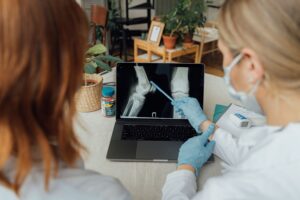
Depending on the findings, an X-ray, MRI, or other investigation may be recommended. Not every patient needs every test; the choice should depend on the suspected condition and clinical examination.
A clear explanation of the likely diagnosis can help you understand the next steps.
3. Understand the Available Treatment Options
Treatment should be based on the cause and severity of the knee problem.
Some patients improve with physiotherapy, strengthening exercises, activity adjustments, weight management where appropriate, and prescribed medication. Certain injuries may require a brace or a structured rehabilitation programme. Surgery may be considered when it is appropriate for the diagnosis and other treatments have not provided sufficient relief.
When looking for a knee specialist in guntur, choose a doctor who explains the potential benefits, limitations, risks, and expected recovery associated with the recommended treatment.
You should feel comfortable asking whether non-surgical options are reasonable in your situation.
4. Consider the Hospital’s Facilities
The hospital or clinic where the doctor practises can also influence your treatment experience.
Depending on your needs, useful facilities may include diagnostic imaging, physiotherapy, surgical services, nursing support, and follow-up care. Patients considering surgery should ask about the available procedure, rehabilitation arrangements, likely recovery period, and follow-up schedule.
Confirm which facilities are currently available rather than assuming every hospital provides the same services.
5. Read Patient Feedback Carefully
Online reviews can offer insight into a doctor’s communication style, appointment process, and overall patient experience. However, reviews should not be the only factor in your decision.
Look for recurring, specific comments rather than relying on a single highly positive or negative review. Also remember that patient experiences differ, and a review cannot establish whether a particular treatment is medically appropriate.
Qualifications, relevant experience, a careful assessment, and clear communication remain important considerations.
6. Ask About Costs and Follow-Up Care
Before beginning treatment, ask about consultation charges, investigation costs, medication expenses, and the likely cost of any recommended procedure. If you have health insurance, confirm coverage and approval requirements with your insurer and the hospital.
Follow-up care is equally important. Knee rehabilitation can take time, particularly after an injury or operation. Understanding the expected schedule can help you plan transport, work commitments, and recovery at home.
Questions to Ask During Your First Consultation
A first appointment is an opportunity to understand your condition and decide on the next steps. You do not need to know all the medical terminology before meeting the doctor.
Consider asking:
- What could be causing my knee pain?
- Do I need an X-ray, MRI, or any other investigation?
- Can my condition improve without surgery?
- What are the benefits and risks of the recommended treatment?
- How long might recovery take?
- Will I need physiotherapy or supervised rehabilitation?
- What activities should I avoid for now?
- When should I return for a follow-up appointment?
If surgery is recommended, you can also ask why it is necessary, what alternatives are available, and what recovery is likely to involve. For major procedures, seeking a second opinion may help you make a more informed decision.
Knee Pain Treatment: What Are the Main Options?
There is no single treatment that works for every knee condition. A specialist will consider the diagnosis, severity of symptoms, general health, activity level, and personal goals.
Non-Surgical Treatment
For many knee problems, treatment begins with non-surgical measures. Depending on the condition, these may include:
- Physiotherapy and strengthening exercises.
- Temporary changes to activities that aggravate pain.
- Ice or other measures recommended for symptom relief.
- Medication prescribed according to individual needs.
- Weight management when excess body weight contributes to joint strain.
- Supportive devices or braces in selected cases.
Do not begin intensive exercises or take medication for persistent knee pain without appropriate guidance, especially if you have other medical conditions.
Arthroscopic Procedures
Arthroscopy involves using a small camera and instruments to examine or treat certain problems inside a joint. It may be suitable for selected conditions, but it is not the right solution for every type of knee pain or osteoarthritis.
A specialist should explain whether an arthroscopic procedure is likely to help with your specific diagnosis.
Knee Replacement Surgery
Knee replacement may be considered for some people with advanced arthritis when pain and reduced mobility remain significant despite appropriate non-surgical treatment.
During the procedure, damaged joint surfaces are replaced with artificial components. Recovery generally includes rehabilitation and exercises to improve movement and strength.
The decision depends on the individual’s symptoms, examination, imaging findings, overall health, and treatment goals. Age alone does not determine whether someone should undergo knee replacement.
Why Rehabilitation Is Important After Knee Treatment
Treatment does not always end when pain starts to improve. Restoring strength, flexibility, balance, and confidence in movement can be an important part of recovery.
A physiotherapist may recommend exercises tailored to the patient’s condition and stage of healing. After surgery, the rehabilitation plan should follow the treating team’s instructions.
Progress may be gradual. Trying to return to strenuous activities too early can delay recovery or aggravate symptoms. Patients should ask their doctor when it is safe to resume driving, work, sports, and other daily activities.
Meet Your Orthopaedic Care Team at Happy Hospitals
For people exploring orthopaedic care in Guntur, Happy Hospitals provides orthopaedic and joint-related care under Dr. Sivaiah Potla, according to the hospital information supplied for this article.
Patients considering a consultation should contact the hospital directly to confirm current appointment availability, the doctor’s consultation schedule, and whether the services they need are available.
If you are looking for a knee specialist in guntur, prepare a brief history of your symptoms before your appointment. Include when the pain started, any previous injuries, medicines you take, and investigations or treatments you have already undergone. This information can help the doctor understand your concerns more efficiently.
The most suitable specialist is one whose qualifications and experience fit your needs and who provides a clear, individualised assessment rather than a one-size-fits-all recommendation.
How to Prepare for Your Knee Appointment
A little preparation can make your consultation more productive.
Before visiting the doctor:
- Write down when your symptoms began and what makes them better or worse.
- Bring previous X-rays, MRI reports, prescriptions, and relevant medical records.
- Make a list of your current medicines and known allergies.
- Explain how the pain affects walking, sleep, work, or exercise.
- Ask about the treatment plan, expected recovery, and follow-up requirements.
Be honest about your symptoms and daily activity. These details can help the doctor recommend care that fits your situation.
Frequently Asked Questions
How do I find a good knee specialist in Guntur?
Check the doctor’s qualifications, relevant experience, approach to diagnosis, treatment options, patient communication, and access to appropriate follow-up care. Reviews can help, but they should not replace checking professional credentials and discussing your condition directly.
Does every case of knee pain require surgery?
No. Many knee conditions can be managed with non-surgical treatment, including physiotherapy, activity modification, and medication when appropriate. Surgery depends on the diagnosis, severity, and response to other treatments.
When should I get an MRI for knee pain?
An MRI may be useful when the doctor suspects certain ligament, meniscus, cartilage, or other soft-tissue problems. It is not necessary for every patient. The decision should follow a clinical examination and consideration of whether the result will affect treatment.
Can knee arthritis improve with exercise?
Appropriately selected exercise can help many people with knee osteoarthritis maintain muscle strength, mobility, and function. The programme should match the person’s condition and abilities. A doctor or physiotherapist can recommend suitable activities.
How long does recovery from knee treatment take?
Recovery varies widely. Some patients improve over a few weeks with conservative treatment, while recovery after major surgery may take several months. The timeline depends on the diagnosis, treatment, general health, and rehabilitation progress.
Final Thought
Choosing the right knee doctor is about more than finding a name online. It means finding a qualified specialist who understands your symptoms, explains the available options, and helps you make informed decisions about treatment and recovery.
If knee pain is affecting your daily routine, do not ignore it or assume that surgery is inevitable. A timely assessment can help identify the cause and determine the most appropriate next step.
For anyone searching for a knee specialist in guntur, take time to check credentials, ask questions, and understand the proposed treatment plan. With the right medical guidance and suitable rehabilitation, many people can work towards better movement, improved comfort, and a more active daily life.